Freya Terryn, PhD

The Japanese Donation
at UCLouvain
Transforming a shared heritage into
access, knowledge, and creative engagement
The Japanese Donation: A Shared Heritage
The Japanese Donation is an exceptional collection of nearly 14,000 volumes, both printed books and manuscripts, preserved at the Rare Books Reserve of UCLouvain Libraries. Dating from the 12th to the 20th century, these works were donated by Japan to Belgium between 1924 and 1926 as a gesture of friendship after the destruction of the University Library of the University of Louvain during the First World War. Carefully selected to showcase the diversity of Japanese culture—from literature and religion to art and science—the collection invites today’s readers to explore Japan’s intellectual and visual heritage across time.
The years 2024-2026 mark the centennial anniversary of the donation of this collection. Its origins are closely linked to a major cultural loss: on the night of 25–26 August 1914, the University Library was ransacked and set on fire during the sac de Louvain, destroying approximately 250,000 volumes, including 950 manuscripts and 800 incunabula. In response, an international movement emerged to help rebuild the library, with Japan among the first countries to commit. Between August 1924 and August 1926, the books were shipped to Leuven in six consignments. Today, the entire Japanese Donation is preserved at UCLouvain in Louvain-la-Neuve, where it continues to serve as a unique heritage collection and a foundation for research, teaching, and cultural exchange.
From Heritage to Access

Preserving the Japanese Donation also means making it accessible. UCLouvain is currently undertaking an ambitious digitization program to ensure that this unique collection can be consulted worldwide.
Through systematic digitization, selected books from the Japanese Donation are made available online in high resolution, allowing readers to explore texts, images, and material features that would otherwise remain accessible only on site. Digitization plays a crucial role in safeguarding fragile works while opening new possibilities for research, teaching, and public engagement.
The digitized books are accessible via DIAL, where they can be consulted freely by scholars, educators, students, and the general public.
From Access to Knowledge
Digitization opens access to the Japanese Donation, but access is only the first step. To make this heritage meaningful, the collection must be studied, taught, and interpreted within its historical and cultural contexts.
A key resource for teaching
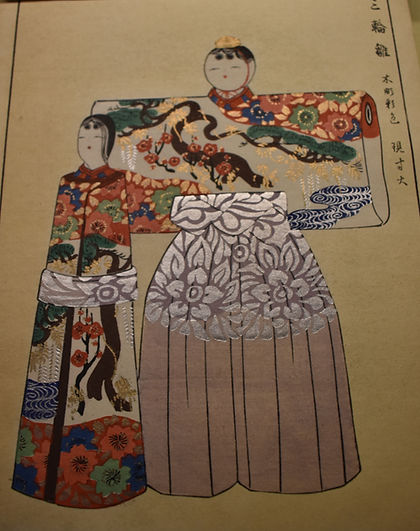
The Japanese Donation plays an active role in teaching at UCLouvain. Through courses such as the "Chaire Satsuma," the collection is integrated into courses that introduce students to Japanese history, culture, and visual traditions.
Working directly with original sources—whether physical or digitized—allows students to develop critical skills, engage with primary materials, and gain a deeper understanding of Japan’s intellectual and artistic heritage.

A key resource for research
Beyond teaching, the Japanese Donation constitutes a major research resource for the study of Japan’s intellectual, artistic, and material history. Its multidisciplinary nature offers rich opportunities for research across fields such as art history, literature, religious studies, history of science, and book history.
From Knowledge to Creative Engagement
While digitization and research make the Japanese Donation accessible and intelligible, engaging with heritage also requires imagination. In 2026, I am launching a creative outreach project that explores Japanese books from the collection through artistic experimentation. Every two months, a digitized book is presented through a combination of contextual research and a creative response inspired by its images, themes, or materiality.
This creative practice functions as a form of mediation—an alternative way of encountering Japanese art and culture that transcends language and academic boundaries. By engaging creatively with historical books, the project aims to make the Japanese Donation approachable to non-specialists, educators, and artists, and to foster new forms of cultural dialogue.
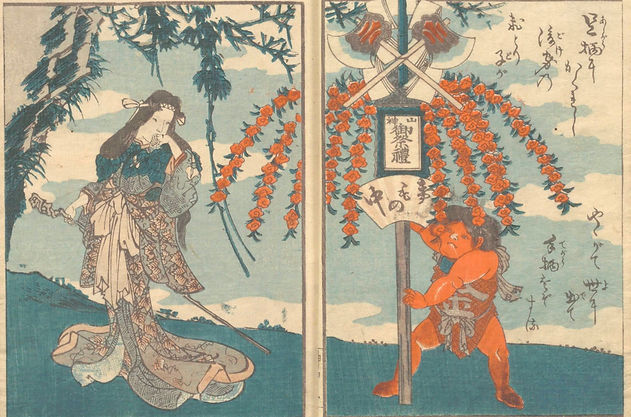
The first three books (February–June 2026) are closely connected to my current research projects. This allows for deeper contextualization and serves as a pilot phase. Later editions will gradually expand thematically, opening the project to a broader range of genres, periods, and perspectives within the Japanese Donation.


